Los Arcos de Mismaloya snorkeling and swimming tours
Rock in Banderas Bay off Banderas Bay
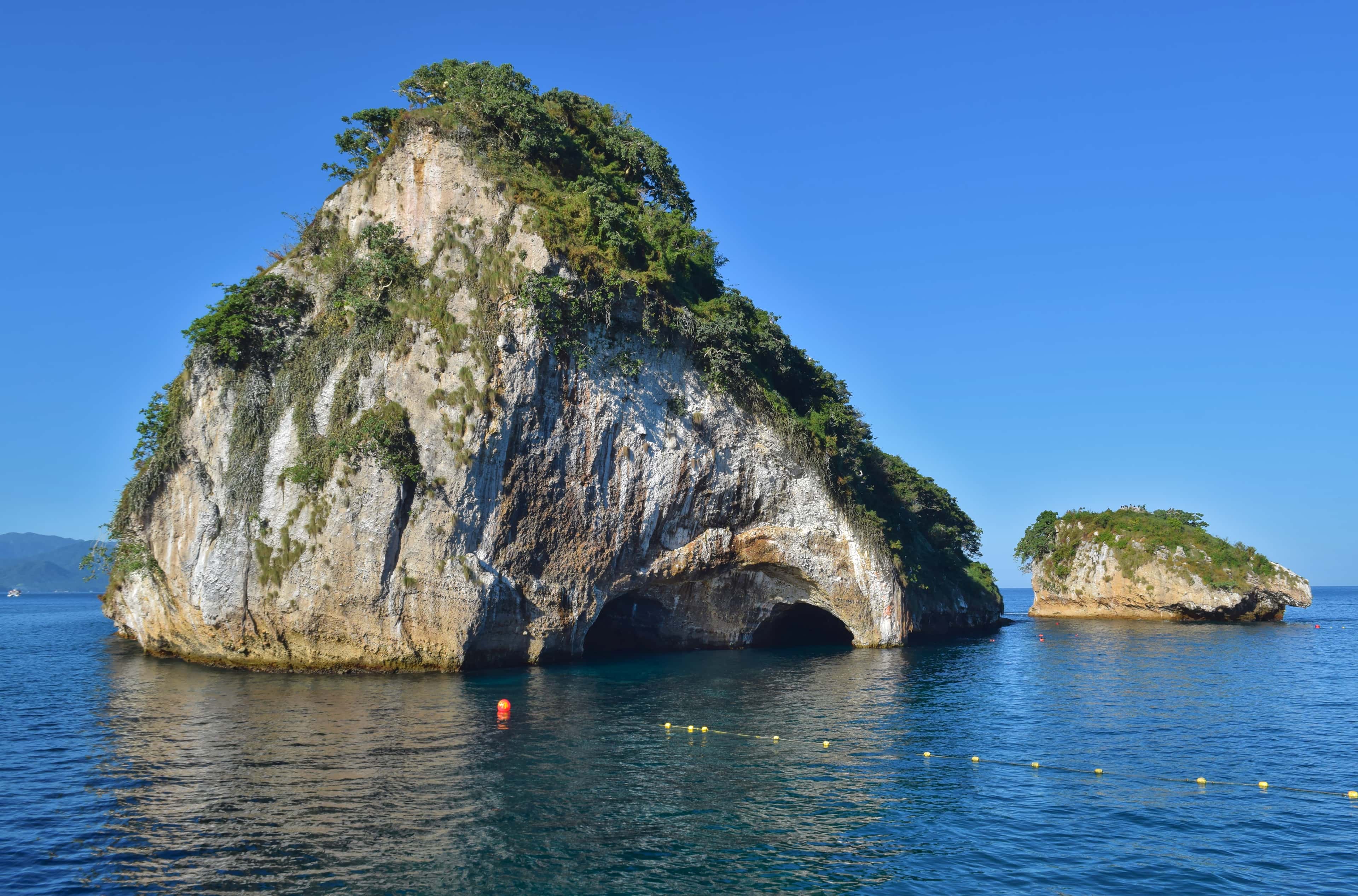
Five granite islets just off Mismaloya, about 12 km south of Puerto Vallarta in Banderas Bay, with arches cut through the larger rocks and reef walls below.
Marinas
- Marina Vallarta, Puerto Vallarta
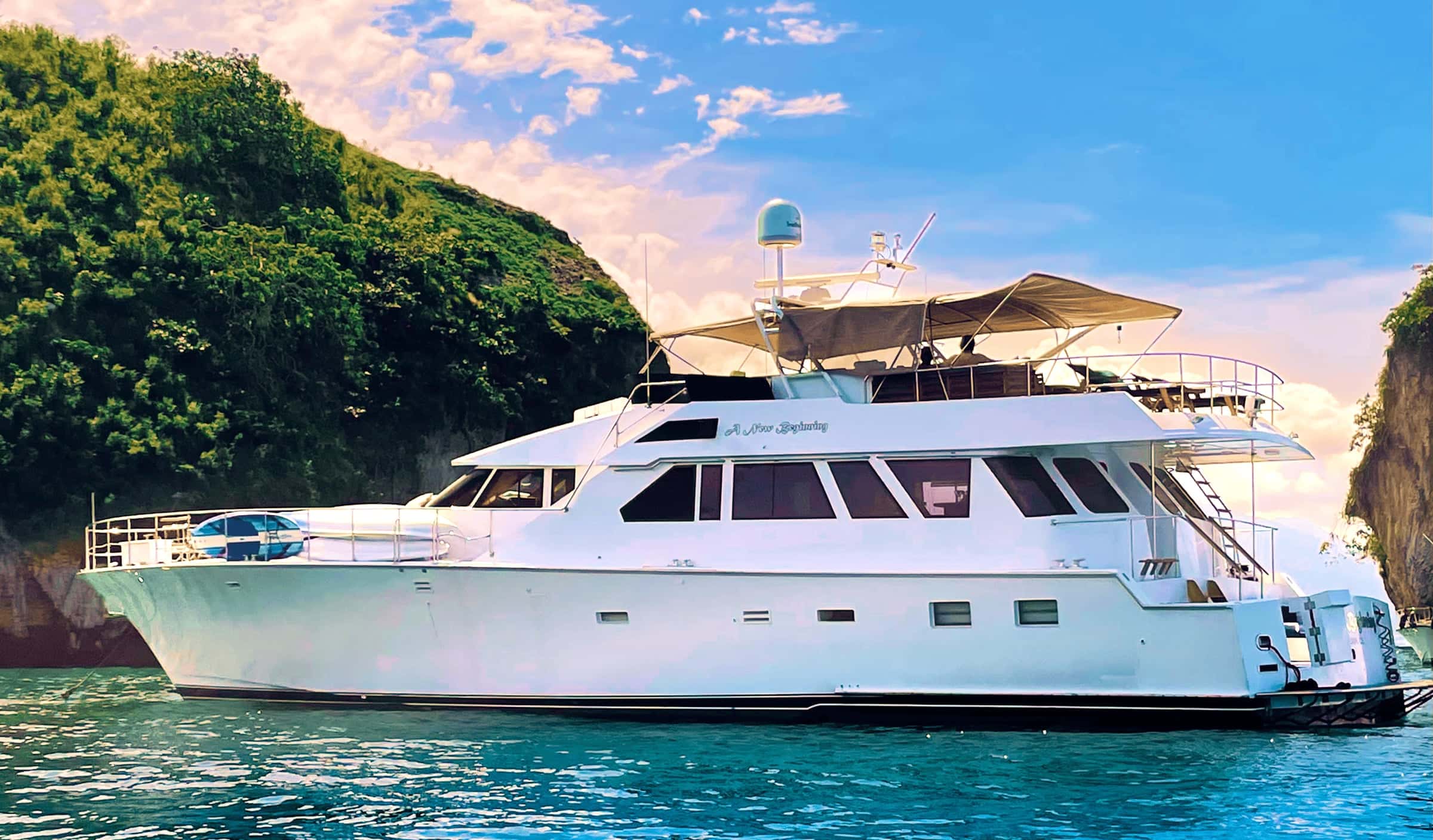
Near Los Arcos de Mismaloya
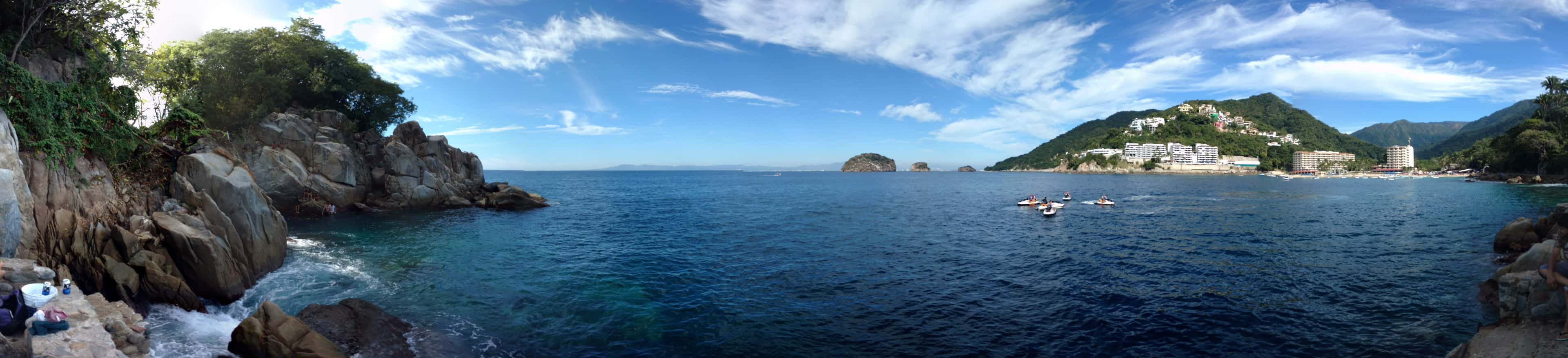
Mismaloya
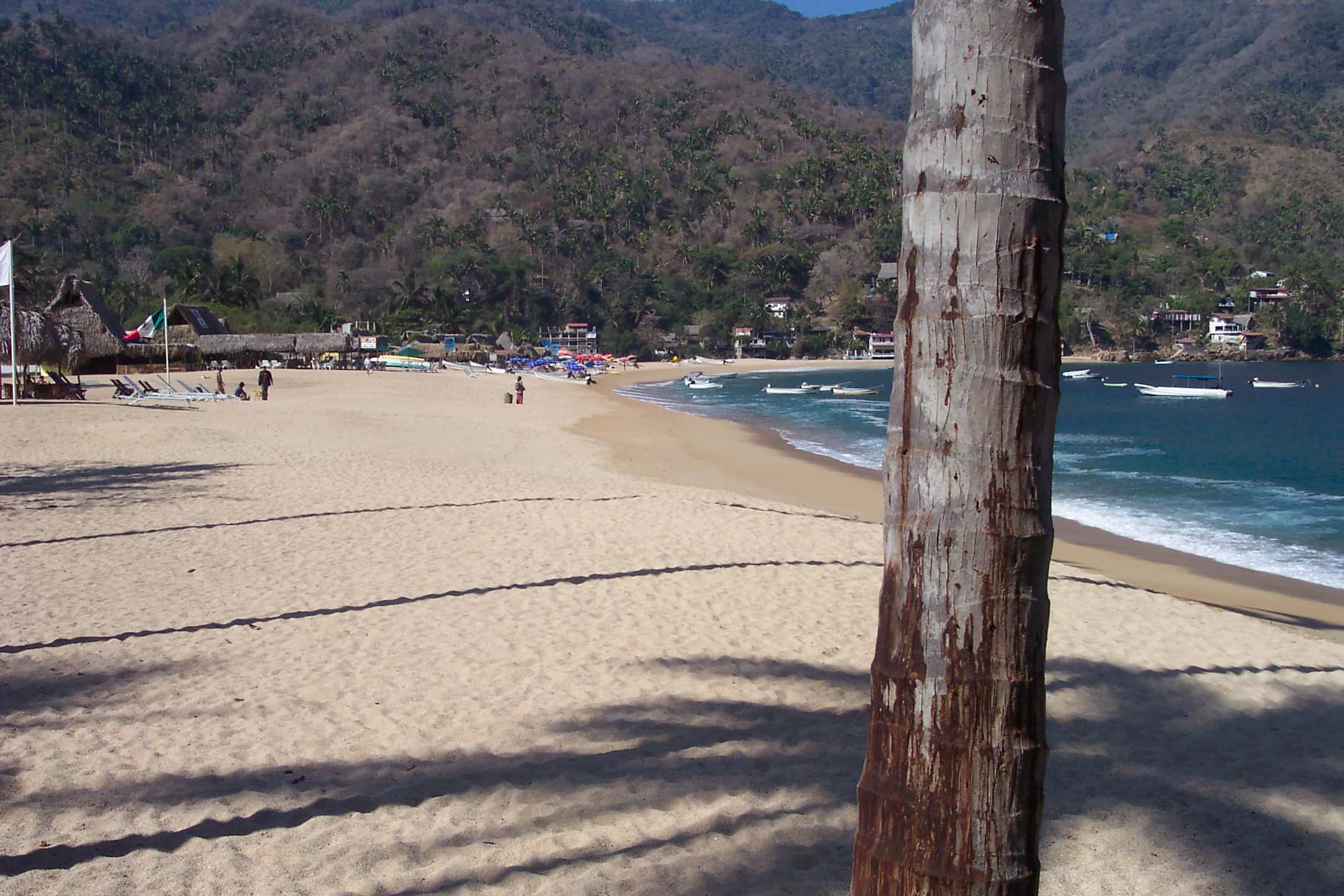
A small village and beach on the southern shore of Banderas Bay, south of Puerto Vallarta, looking out to the Los Arcos rocks. The Night of the Iguana was filmed here in 1963.
- Scuba diving
Princesa Vallarta Wreck
A sunken boat on the floor of Banderas Bay, a little under 200 metres off the Las Gemelas beaches south of Puerto Vallarta. It is a deep dive for certified divers, about 6 nautical miles by boat from the Puerto Vallarta marinas.
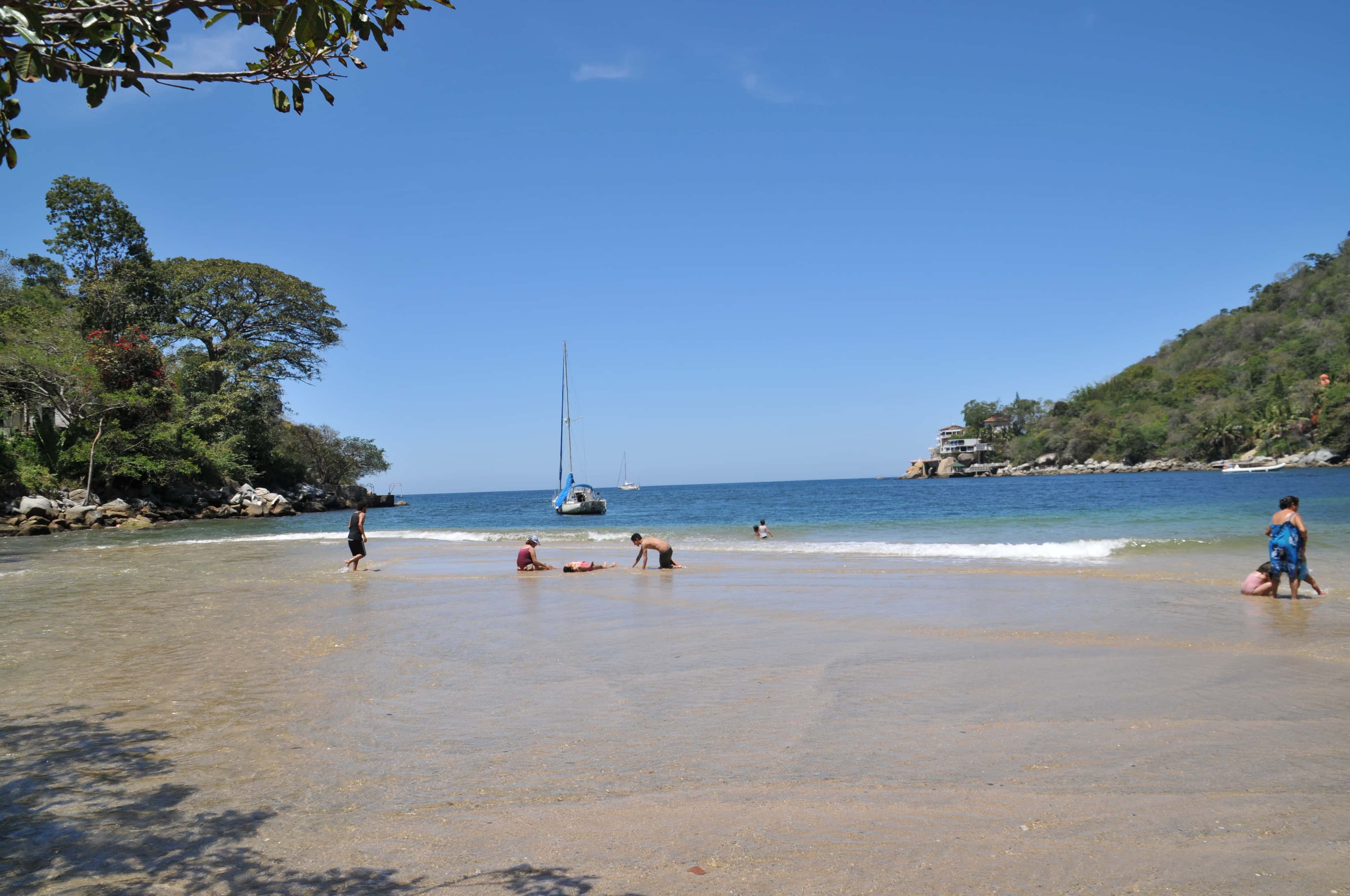
Boca de Tomatlán
A small fishing village at the mouth of the Horcones River, about 17 km south of downtown Puerto Vallarta. Its pier is the main departure point for the public water taxis to the beaches and villages of the southern shore.
- Snorkeling
- Swimming
Playa Caballo
On the south shore of Banderas Bay, Playa Caballo sits just north-east of Las Ánimas, on the Boca de Tomatlán side. No road reaches the sand, so it is a swimming and snorkelling stop that guests land at from the boat or walk to on a trail.
- Snorkeling
- Swimming
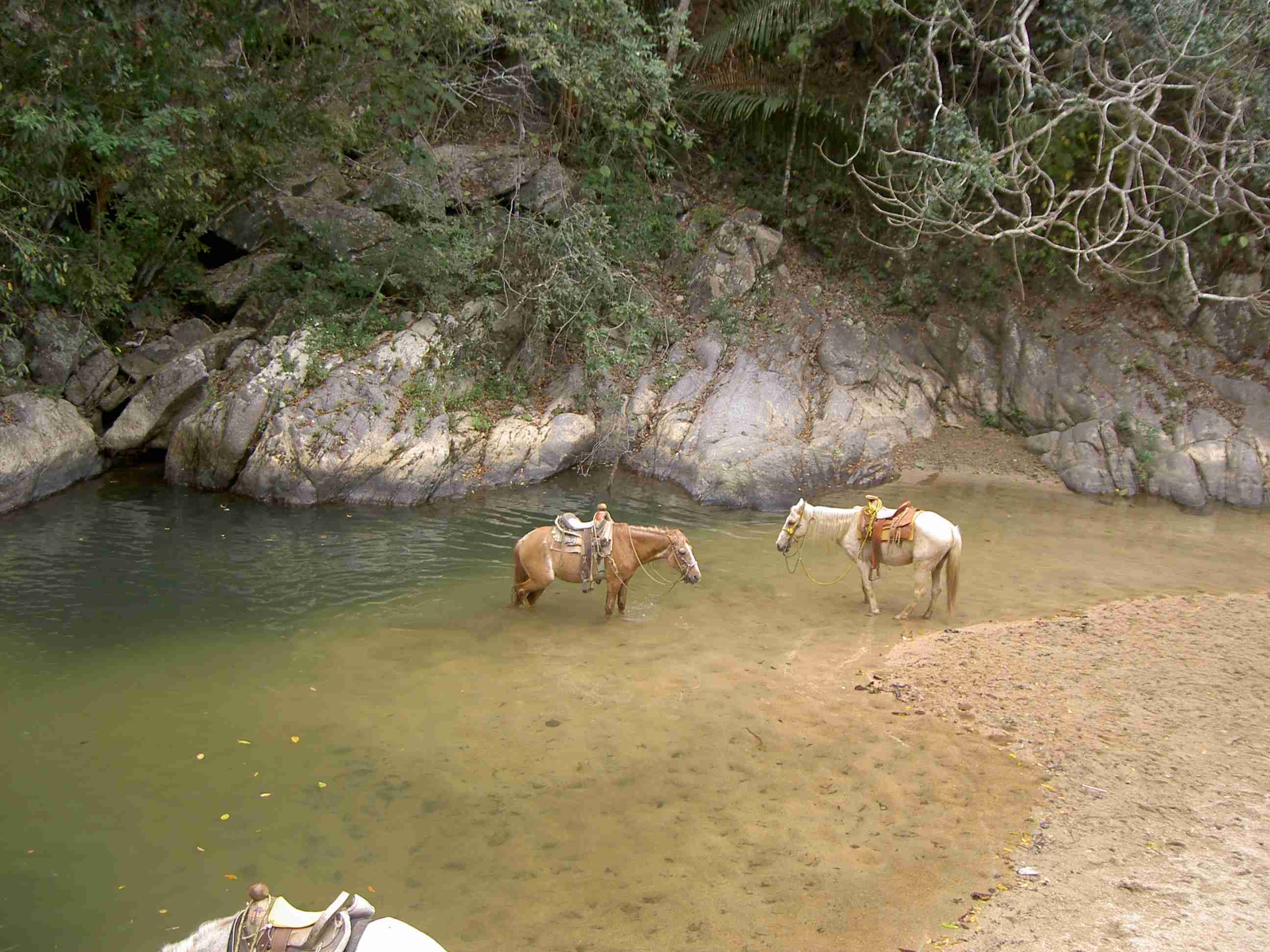
Las Ánimas Beach
A broad stretch of sand south-west of Puerto Vallarta, on the far side of Banderas Bay from the marinas, that works well as a lunch and swim stop on a day out by boat.
- Snorkeling
- Swimming
Quimixto
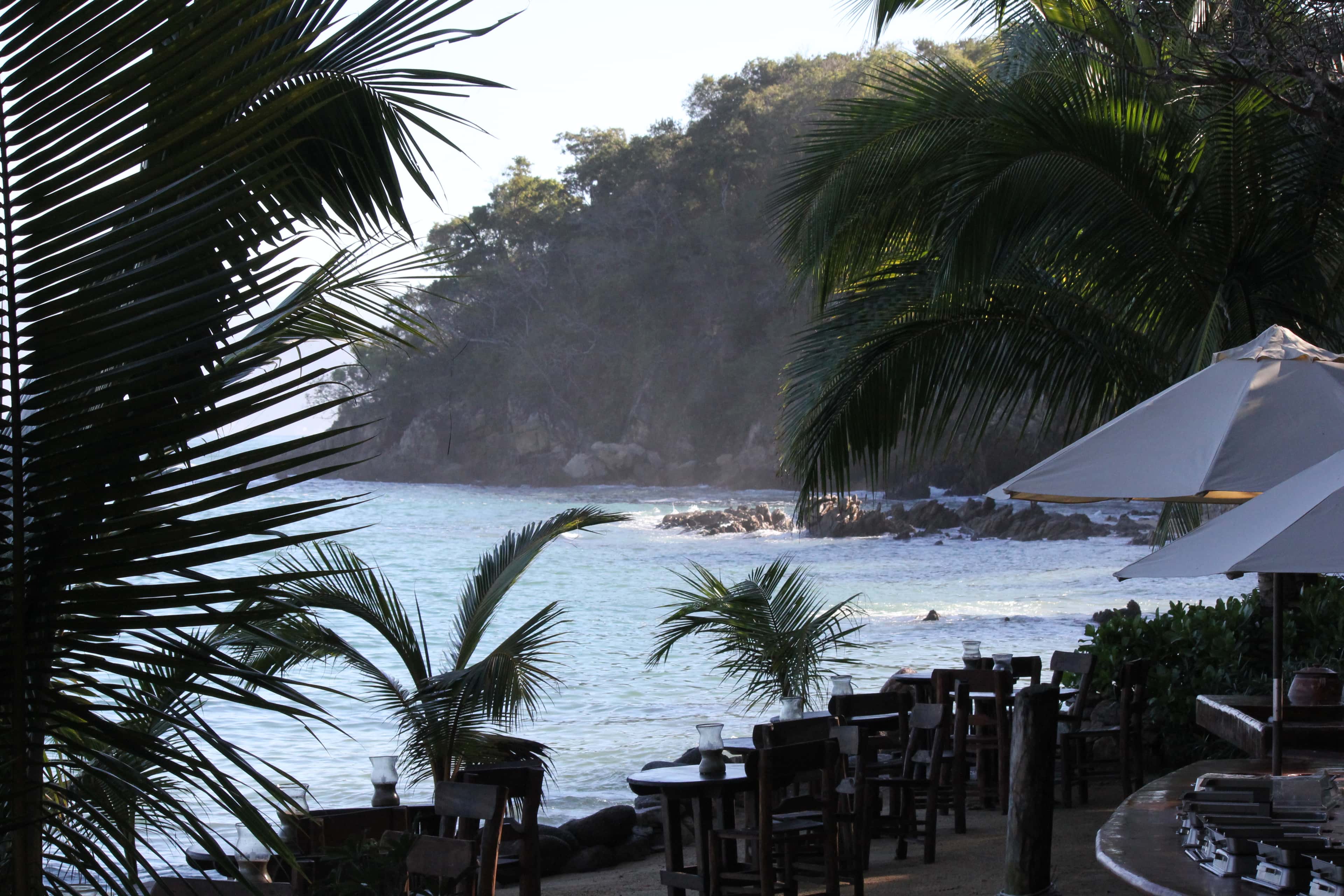
A small village on the southern shore of Banderas Bay that has no road and is reached only by boat. Palapa restaurants face the water on its beach, and a trail up the river valley behind it leads to a seasonal waterfall.
- Snorkeling
- Scuba diving
Las Caletas
A small boat-only cove on the southern shore of Banderas Bay, below a nature preserve, where the film director John Huston once lived. One tour company runs the beach and grounds as its own day trip, and the sources do not settle whether a charter yacht's guests may go ashore.
- Snorkeling
- Scuba diving
Majahuitas
Majahuitas is a small cove on the southern shore of Banderas Bay, between Quimixto and Yelapa. No road reaches it, so guests arrive by boat.
Maps © OpenStreetMap
About Los Arcos de Mismaloya
Getting there by boat
From Marina Vallarta the islets lie about 7.6 nautical miles south in a straight line, a little under an hour at a steady 8 knots. The line from Opequimar is about 7.3 nautical miles, and from Paradise Village about 8.8. They sit under a nautical mile off the beach at Mismaloya, so a day down the south shore often pairs them with Las Ánimas, about 3.6 nautical miles farther on, or Majahuitas, about 6. On a clear day you can pick them out from downtown Puerto Vallarta.
The rocks
These were once hills of the Sierra Madre Occidental. The sea wore away the ground around them and left their granite cores standing apart from the coast. The three biggest are Roca de Los Arcos, the Rock of the Arches; Roca de la Tortuga, Turtle Rock; and Roca del Diablo, Devil's Rock. The largest islet measures roughly 250 metres by 160 metres. Some arches are big enough that a motorboat has been driven through them, though whether yours goes through is the captain's call on the day.
In the water
Guests swim, snorkel and paddleboard around the islets from the boat. Divers come for the walls, which run from about 15 to 120 feet deep overall. The shallow reef on the southeast side has a bottom of 10 to 25 feet, and the middle of the west wall sits near 50 feet. A reef patch known as the Aquarium starts about 10 feet down and slopes to sand at 50 to 60 feet, with angelfish, Moorish idols, snappers and moray eels. A deeper drop-off nearby is known as a route for giant Pacific manta rays and suits experienced divers with a guide.
Birds, whales and night water
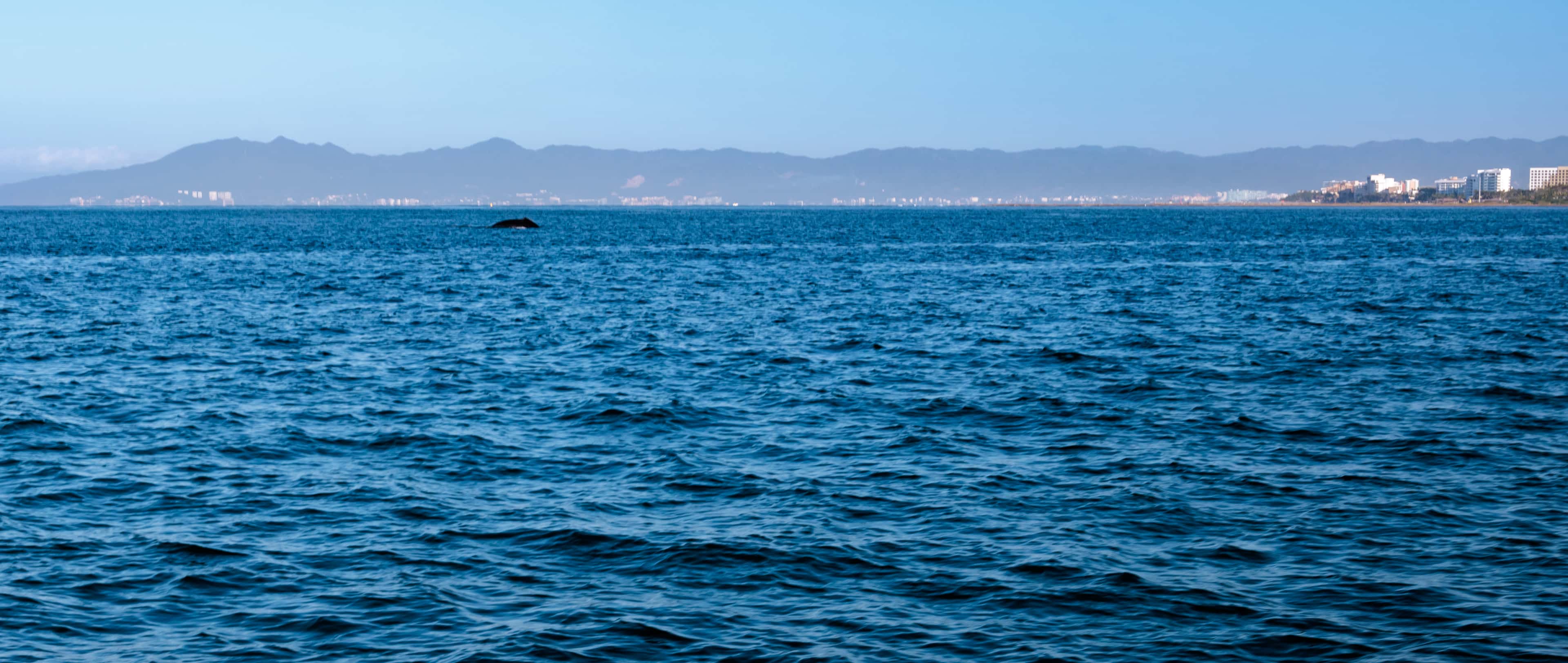
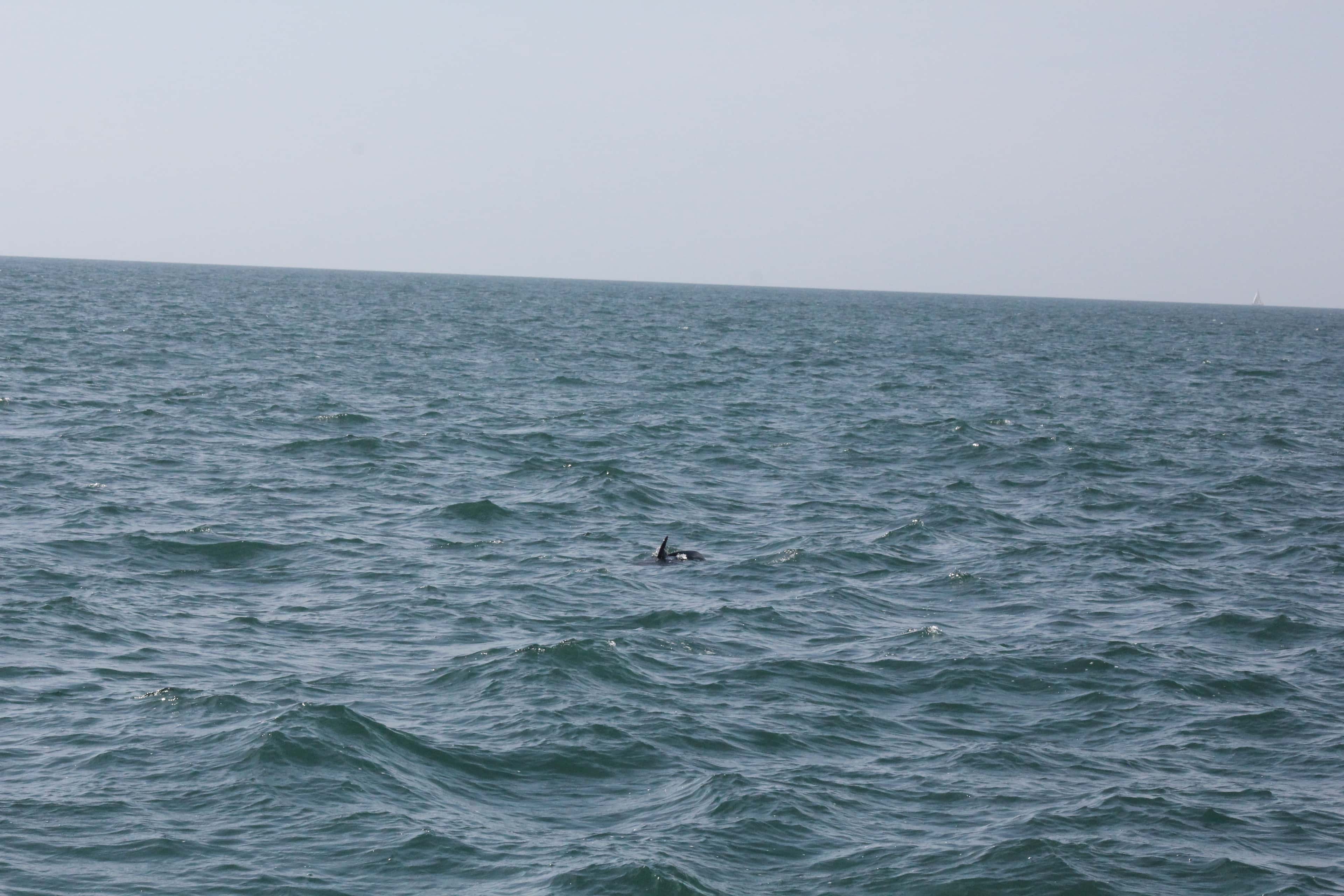
The rocks are a breeding ground for seabirds, among them ospreys, pelicans, cormorants and blue-footed boobies, which keep a small colony on Turtle Rock. From November to March, humpback whales, orcas and dolphins turn up more often in the surrounding water. After dark, bioluminescent plankton lights the sea.
What to know
The area has been protected since 1975, first as a refuge for marine life and from 1984 as a national marine park. Park rules apply to every visit, and we'll confirm what is in force, including any fee, before you leave the marina. Expect surge and current at the deeper dive sites.